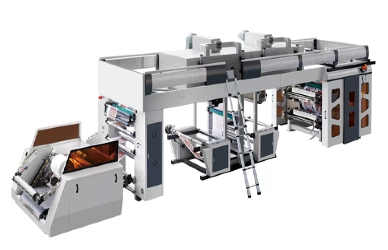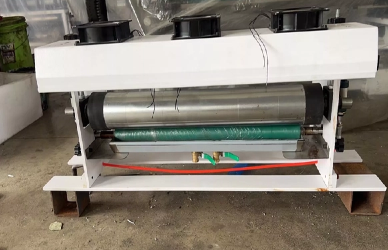
Choosing the right 4 Color Printing Machine for Flexographic Printing is crucial for businesses looking to achieve high-quality prints while maintaining efficiency and cost-effectiveness. Flexographic printing is widely used in packaging, labels, and flexible materials, where vibrant color reproduction and speed are essential. The right machine can make a significant difference in both print quality and production output, ensuring that businesses can meet customer demands and market standards.
Selecting a machine with the right features not only enhances color accuracy and detail reproduction, but it also streamlines production processes, reducing setup times and operational costs. By investing in a 4 Color Printing Machine equipped with the best technologies, companies can improve printing efficiency, reduce waste, and maintain consistency across large-volume runs. This introduction will explore how understanding the key features of a 4 Color Printing Machine can help businesses optimize their printing operations.
Print Quality and Color Accuracy
1. Importance of CMYK Color Reproduction for High-Quality Prints
The core of a 4 Color Printing Machine lies in its ability to reproduce colors using the CMYK color model—Cyan, Magenta, Yellow, and Black. This model is essential for achieving high-quality prints because it allows for a wide color gamut, enabling the production of vibrant, detailed images with accurate color matching.
In flexographic printing, where materials like labels, packaging, and films are used, achieving precise color reproduction is vital. The CMYK system ensures that a broad range of colors can be printed, making it ideal for detailed graphics, gradients, and complex images. Whether printing brand logos, photographic images, or product designs, accurate CMYK color reproduction is key to maintaining the integrity of the design and meeting client expectations.
2. How Precise Ink Distribution and Color Calibration Contribute to Better Color Consistency
For a 4 Color Printing Machine to consistently deliver high-quality prints, precise ink distribution and color calibration are crucial. In flexographic printing, ink transfer from the printing plates to the substrate is a delicate process. The right balance of ink flow and pressure ensures that the correct amount of ink is applied to each print, which directly influences the vibrancy and sharpness of the colors.
Color calibration plays a pivotal role in maintaining color consistency across multiple prints. Regular calibration of the printing system helps to ensure that the machine continuously applies the right amount of ink to achieve the desired colors. Without proper calibration, color variation or color shifts may occur, leading to inconsistencies in the final product. By keeping the system calibrated, printers can avoid these issues and maintain a uniform color output across different batches and materials.
Printing Speed and Efficiency
1. The Role of High-Speed Printing in Large-Volume Jobs
High-speed printing is essential for large-volume jobs like packaging and labels, where quick turnaround is critical. A 4 Color Printing Machine with high-speed capabilities enables businesses to produce large batches quickly, helping meet tight deadlines and increase productivity. Faster production leads to reduced idle time, lowering overall production costs and improving output efficiency.
2. Features That Improve Production Efficiency and Reduce Downtime
Automatic Register Control:
This feature ensures precise alignment of prints, reducing manual adjustments and speeding up production. It helps maintain color consistency and minimizes errors, allowing for faster runs.
Quick Setup and Changeover:
4 Color Printing Machines with automated plate changes and preset calibration enable quick job switches, reducing downtime between runs and improving overall efficiency.
Reduced Ink Consumption:
Efficient ink systems optimize usage and reduce wastage during both setup and production, contributing to cost savings and fewer interruptions.
Continuous Monitoring and Diagnostics:
Built-in diagnostic systems monitor machine performance, detecting issues before they cause significant downtime. This ensures continuous operation and prevents costly delays.

Substrate Flexibility
1. Printing on Various Materials
A key advantage of 4 Color Printing Machines in flexographic printing is their ability to print on a wide range of materials like paper, plastics, films, and foils. This flexibility is essential for industries such as packaging and labels, where different substrates are used for diverse products. Printing on varied materials ensures businesses can meet various customer needs with high-quality results.
2. Adjustable Printing Plates and Ink Drying Systems
Adjustable Printing Plates:
Flexographic printing uses flexible plates that adjust to different materials. This adaptability ensures optimal pressure and precise prints, regardless of the substrate type.
Ink Drying Systems:
Different substrates require different drying methods. UV drying is often used for plastics, while air drying may be better for paper. A flexible ink drying system ensures proper curing for all materials.
Ink and Drying Technology
1. Impact of Advanced Ink Systems on Print Quality, Color Vibrancy, and Cost
The ink system in a 4 Color Printing Machine is essential for achieving vibrant colors and high-quality prints. Advanced inks, like UV inks, offer better color consistency and vibrancy. These inks cure instantly, reducing drying time and improving print quality on non-porous materials like plastics.
Furthermore, advanced ink systems optimize ink flow and viscosity, which helps reduce waste and operational costs, making the printing process more cost-effective.
2. Role of Drying Systems in Improving Printing Speeds and Ensuring Efficient Drying
UV Drying:
UV drying rapidly cures inks, allowing for faster production speeds, especially on materials like plastics and films. This quick curing improves printing efficiency, reducing downtime.
Air Drying:
Air drying is used for absorbent materials like paper, relying on natural or heated air to dry the ink. While slower, it ensures quality drying without warping the material.
Maintenance and Durability
1. Easy-to-Maintain Machines and Cost Reduction
A 4 Color Printing Machine that is designed for easy maintenance can significantly reduce operational costs. Machines with accessible parts, automated cleaning systems, and predictive maintenance features not only minimize downtime but also help prevent costly repairs. With automated cleaning systems, maintenance tasks like ink residue removal are simplified, reducing the need for frequent manual intervention.
Moreover, predictive maintenance technology can identify potential issues before they become major problems, enabling businesses to address minor issues proactively. This helps avoid unplanned downtimes, ensuring consistent performance and reducing long-term repair costs. By minimizing maintenance-related disruptions, the machine remains in operation for longer periods, maximizing uptime and production efficiency.
2. Durability for High-Volume Printing
For high-volume printing, durability is essential. A 4 Color Printing Machine made with robust materials and high-quality components ensures long-lasting performance, even under continuous operation. Parts like heavy-duty printing cylinders, ink rollers, and precision gears are built to withstand the pressures of fast-paced, high-volume jobs. These durable components help maintain the machine’s print quality and efficiency over time, even during extended shifts.
Conclusion
When choosing a 4 Color Printing Machine for flexographic printing, there are five key features to consider: print quality and color accuracy, printing speed and efficiency, substrate flexibility, ink and drying technology, and maintenance and durability. These features directly impact the machine's performance and your overall printing results.
A well-chosen 4 Color Printing Machine can significantly boost productivity by speeding up production, improve print quality with precise color reproduction, and reduce operational costs through efficient ink usage and low maintenance requirements. Additionally, flexibility in substrates and drying technologies ensures that the machine can meet a wide range of printing needs.
Ultimately, investing in the right machine will enhance both the quality and cost-effectiveness of your flexo printing applications, ensuring long-term success in a competitive market.