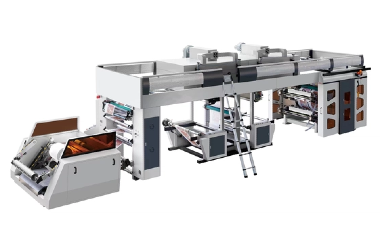
Choosing the right printing solution for your business can be a challenging task, especially when faced with multiple options like 4-color and 8-color printing. Both offer unique advantages, and understanding the difference between them is crucial for ensuring you make the best decision for your business needs. Whether you are printing marketing materials, packaging, or high-end promotional products, selecting the right printing technology can directly impact the quality, cost, and efficiency of your production process.
In this article, we will delve into the mechanics of 4-color and 8-color printing, explore their respective advantages and disadvantages, and help you determine which printing technology best suits your business’s requirements.
What Is 4-Color Printing?
4-color printing, also known as CMYK printing, is the most common printing process used in the commercial printing industry. The term "CMYK" refers to the four primary colors used in this process:
Cyan (C) – A greenish-blue color.
Magenta (M) – A purplish-red color.
Yellow (Y) – A bright, pure yellow.
Key (K) – Black, which is used to add depth and detail to images.
In 4-color printing, these four colors are mixed in varying proportions to produce a wide range of colors and shades. By layering these colors on top of each other, printers can create the illusion of full-color images, even though only four inks are used. This technique is particularly useful for printing marketing materials, brochures, flyers, and packaging that need vibrant colors at a reasonable cost.
The Process of 4-Color Printing
4-color printing works by using color separation to break down a digital image or design into its four basic colors. The image is then printed in layers—each color is applied during a separate pass through the printing press. Modern printing technology allows for precise registration of the colors, so they align perfectly, creating a seamless and high-quality printed image.
Because of the relatively simple color palette, 4-color printing can achieve good results for most standard designs. It is ideal for printing products that don’t require an extremely wide color gamut or subtle color variations.
What Is 8-Color Printing?
8-color printing, as the name suggests, uses eight different inks to create a broader range of colors than 4-color printing. In addition to the standard CMYK colors (Cyan, Magenta, Yellow, Black), 8-color printing includes extra spot colors that help achieve richer, more detailed prints. These extra colors often include:
Light Cyan (LC)
Light Magenta (LM)
Orange (O)
Violet (V)
These additional inks allow for smoother color transitions, more vibrant and accurate hues, and better tonal range. 8-color printing is commonly used in industries that require high-quality reproductions of images, such as the fine arts, luxury packaging, or photography.
The Process of 8-Color Printing
The process of 8-color printing is similar to 4-color printing, but it adds more color separation layers. Each of the eight colors is printed one at a time, with careful registration to ensure that the colors align accurately. This complex color layering results in more precise and nuanced color reproduction, making 8-color printing ideal for projects where fine details and color fidelity are critical.
Because it involves more ink and more intricate color management, 8-color printing requires more sophisticated technology and can take longer to complete than 4-color printing. However, the added benefits of better color accuracy and visual appeal make it a superior choice for high-end printing applications.
Key Advantages of 4-Color Printing
1. Cost-Effectiveness
One of the most significant advantages of 4-color printing is its affordability. Since it only uses four primary inks, the cost of consumables such as ink, plates, and materials is lower compared to 8-color printing. This makes 4-color printing an excellent option for businesses on a budget or those that need to produce large volumes of printed materials without breaking the bank.
For high-volume printing projects like brochures, business cards, flyers, and catalogs, 4-color printing is a reliable and cost-effective option that offers solid quality without the higher costs associated with more complex printing systems.
2. Faster Production Time
4-color printing presses generally have a faster production speed due to fewer color layers to apply. Since each color is applied during a separate pass through the machine, fewer passes are required for 4-color printing compared to 8-color printing, making the overall process faster. This is a considerable advantage for businesses that need to meet tight deadlines or have high-volume printing needs.
3. Widely Available and Versatile
4-color printing is the most widely used printing method across the globe, meaning that it is readily available in most printing shops. Printers and operators are highly experienced with 4-color printing, ensuring consistent results. Moreover, 4-color printing is versatile and can be used for a wide range of materials, from business stationery to large-format posters and product packaging.
4. Sufficient for Many Applications
For most businesses, 4-color printing provides more than enough color accuracy and vibrancy. Whether you are printing flyers, catalogs, newsletters, or product labels, the CMYK color model can produce high-quality results. Unless your business demands extremely precise color reproduction or very fine detail, 4-color printing is often sufficient.
Key Advantages of 8-Color Printing
1. Superior Color Accuracy and Depth
The primary advantage of 8-color printing is its ability to reproduce a much broader and more accurate range of colors. The additional spot colors (light cyan, light magenta, orange, violet) provide better tonal gradations, smoother color transitions, and a higher level of vibrancy. This makes 8-color printing ideal for projects that require precise color reproduction, such as photographic prints, fine art reproductions, or luxury packaging.
With 8-color printing, the output has a much richer depth, as the additional colors enable the printer to create more natural-looking skin tones, more vibrant colors in photographs, and more detailed gradients in graphics. This capability is critical for industries such as photography, art printing, fashion, and premium branding, where color quality is paramount.
2. Better Handling of Complex Designs
8-color printing is perfect for complex designs that require intricate color blending or a high level of detail. Whether you are printing high-end brochures, catalogs, or product packaging, the extra colors provide more flexibility in achieving exact color matches, especially when working with gradient backgrounds or full-color images.
The light cyan and light magenta inks used in 8-color printing help to reduce the appearance of color banding and artifacts that can sometimes appear in prints with less color detail. This makes the output look smoother and more professional, especially in images with subtle transitions or fine details.
3. Ideal for High-End Applications
For businesses dealing with luxury products or specialized markets, 8-color printing can help set your brand apart. This process ensures that your printed materials have the highest possible color accuracy, making it a popular choice for packaging, fine art prints, high-quality marketing materials, and photo books. Brands looking to create a premium feel for their products can benefit greatly from the increased vibrancy and quality of 8-color printing.
4. Consistency Across Large Print Runs
In industries where brand consistency is critical, 8-color printing provides superior accuracy across larger print runs. Since 8-color presses use more ink to achieve the desired color mix, they can ensure better consistency over long production runs, preventing slight color shifts or discrepancies from one print to another. This is especially important for products like luxury packaging, where color consistency is essential for maintaining a brand’s visual identity.
Key Considerations When Deciding Between 4-Color and 8-Color Printing
1. Budget Constraints
While 8-color printing offers better color accuracy and vibrancy, it also comes with higher costs. The extra inks, specialized equipment, and longer production times mean that 8-color printing is generally more expensive. For businesses on a tight budget, 4-color printing provides a more economical alternative without sacrificing too much in terms of quality.
If your business operates on a higher volume of standard materials like flyers, brochures, and other promotional materials, 4-color printing is likely the better option.
2. Print Volume and Production Speed
If you are running a business that requires large volumes of printed materials within a short time frame, 4-color printing is the more practical choice. Its faster production speed ensures quicker turnaround times, which is vital for businesses that deal with time-sensitive orders.
However, for businesses where the quality of each print matters more than the speed of production—such as fine art galleries or high-end product manufacturers—8-color printing is likely the better option despite the longer turnaround times.
3. Quality Requirements
If your business demands high-quality, professional prints with exact color matching and a high level of detail, 8-color printing is ideal. The extra color options will allow you to reproduce images and designs with much higher fidelity, especially when it comes to reproducing complex images or brand colors.
However, for businesses where basic color accuracy and vibrant images are sufficient, 4-color printing is a reliable and cost-effective choice.
Conclusion: Which Is Right for Your Business?
Ultimately, the choice between 4-color and 8-color printing depends on your business's specific needs. If you’re focused on producing high-volume, cost-effective prints, 4-color printing is likely your best option. It’s affordable, fast, and versatile for most standard printing applications.
However, if your business requires superior color accuracy, intricate details, or premium-quality prints, investing in 8-color printing can offer a significant advantage. The added cost can be justified when producing high-end marketing materials, luxury packaging, fine art prints, or any product where color fidelity and visual appeal are crucial.
By carefully considering your print volume, budget, and quality requirements, you can make the best decision for your business and ensure that your printed materials meet the highest standards.


