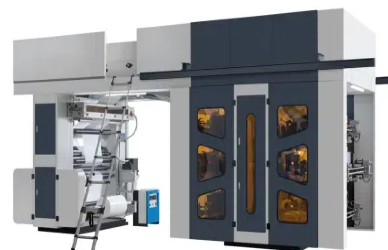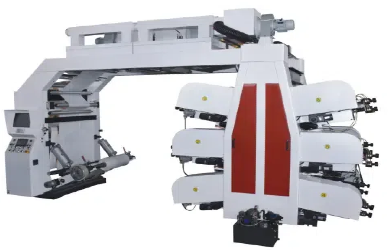
Accurate color reproduction is one of the most important aspects of the printing industry, as it directly affects the quality and visual appeal of the final product. From packaging and labels to marketing materials, even slight color inconsistencies can impact brand perception and customer satisfaction. A 6 Color Printing Machine is designed to deliver precise, vibrant, and consistent results, but like any advanced equipment, it can sometimes face color-related issues. Troubleshooting these problems quickly and effectively is critical not only for maintaining print quality but also for ensuring production efficiency and reducing downtime. By addressing color issues proactively, businesses can maximize the performance of their 6 Color Printing Machines and achieve reliable, high-quality output.
Common Color Issues in 6 Color Printing Machines
1.Color Misregistration
One of the most frequent issues in a 6 Color Printing Machine is misregistration, where the colors do not align properly on the substrate. This often leads to blurry images, visible outlines, or shadow effects, significantly reducing print quality. Misregistration can result from mechanical misalignment, worn printing plates, or improper calibration.
2.Inconsistent Color Density
Another challenge is uneven color density across different parts of a print. Some areas may appear darker or lighter than others, creating an unprofessional finish. Inconsistent density is often caused by fluctuations in ink supply, clogged nozzles, or improper pressure during printing. Regular maintenance and ink system checks are essential to resolve this issue.
3.Faded, Dull, or Oversaturated Colors
When colors appear faded, dull, or overly bright, it usually points to problems with ink quality, viscosity, or drying systems. Poor ink formulations or incorrect mixing can make prints look washed out, while oversaturation can cause smudging and long drying times. Ensuring the use of compatible, high-quality inks and proper drying technology helps maintain balanced, vibrant colors.
4.Unexpected Color Shifts
Color shifts occur when the final print doesn’t match the expected design, with hues leaning toward unintended tones. These shifts may result from poor calibration, inaccurate ICC profiles, or environmental conditions such as temperature and humidity. Routine calibration and controlled print environments are vital for preventing unexpected shifts and ensuring consistency.
Checking Ink Systems in a 6 Color Printing Machine
1.Correct Ink Loading and Compatibility
One of the first steps in troubleshooting a 6 Color Printing Machine is verifying that the inks are properly loaded and fully compatible with the machine. Using incorrect or low-quality inks can cause color mismatches, poor adhesion, or even damage to the system. Always ensure the inks meet the manufacturer’s specifications for optimal performance.
2.Monitoring Ink Levels, Viscosity, and Mixing
Maintaining the right ink levels and viscosity is crucial for consistent color output. Low ink levels can lead to faded or streaky prints, while improper viscosity affects ink flow and color density. Regularly checking and mixing inks ensures they remain uniform and stable, preventing uneven tones or saturation issues.
3.Cleaning Ink Lines and Preventing Contamination
Clogged or contaminated ink lines are a common cause of color inconsistency in 6 Color Printing Machines. Residue buildup or foreign particles can disrupt ink flow, leading to dull, streaked, or spotty prints. Routine cleaning of ink lines, filters, and nozzles helps maintain smooth ink distribution and prevents costly downtime.

Calibration and Color Management in a 6 Color Printing Machine
1.Importance of Calibration
Accurate calibration is essential in a 6 Color Printing Machine to ensure CMYK and additional spot colors are reproduced precisely. Without proper calibration, colors may shift, leading to inconsistent or incorrect results, which can harm both quality and brand identity.
2.Color Management Tools
Using color management software and ICC profiles helps maintain consistency between digital designs and final prints. These tools adjust how colors are interpreted across devices, ensuring the 6 Color Printing Machine delivers reliable and predictable results.
3.Regular Test Prints
Running frequent test prints is a practical way to monitor output and detect issues early. By verifying consistency through test samples, operators can quickly spot color misalignments or shifts and make timely adjustments.
Printhead and Plate Issues in a 6 Color Printing Machine
1.Inspecting Printheads
Printheads play a critical role in ensuring accurate color and print quality. In a 6 Color Printing Machine, clogged, worn, or misaligned printheads can cause streaks, uneven color, or missing details. Regular inspection helps identify problems early and prevents costly downtime.
2.Checking Printing Plates
Properly mounted and undamaged printing plates are essential for precise color registration and image clarity. Misaligned or worn plates can result in blurred prints, ghosting, or misregistration of colors, affecting the overall quality of the final product.
3.Replacing or Cleaning Faulty Components
Cleaning or replacing defective printheads and plates is necessary to maintain optimal performance. Routine maintenance, including removing debris, cleaning ink residues, and replacing worn parts, ensures consistent print quality and reduces the risk of recurring color issues.
Substrate and Environmental Factors in a 6 Color Printing Machine
1.Impact of Substrate Type
The type of substrate—such as paper, film, or foil—greatly affects color reproduction in a 6 Color Printing Machine. Different materials absorb and reflect ink differently, influencing color vibrancy, adhesion, and overall print quality. Choosing the right substrate is essential for achieving consistent and accurate results.
2.Managing Environmental Conditions
Humidity, temperature, and dust in the printing environment can impact ink behavior and color consistency. High humidity may cause smudging or slow drying, while extreme temperatures can alter ink viscosity. Dust and debris can create spots or streaks. Controlling these factors ensures reliable performance and minimizes color issues.
3.Adjusting Drying Systems
Proper drying is crucial for maintaining color accuracy and durability. UV or air drying systems in a 6 Color Printing Machine help inks cure evenly, preventing smudging, fading, or other defects. Adjusting the drying process based on the substrate and environmental conditions enhances print quality and longevity.
Preventive Maintenance and Best Practices for a 6 Color Printing Machine
1.Regular Cleaning and Inspection
Routine cleaning and inspection are essential to maintain consistent print quality in a 6 Color Printing Machine. Regularly checking printheads, ink lines, rollers, and plates prevents clogs, buildup, and mechanical wear that can cause color issues or downtime.
2.Proper Storage of Inks and Substrates
Storing inks and substrates correctly helps preserve their quality and performance. Inks should be kept at recommended temperatures and sealed to prevent contamination, while substrates should be stored in dry, clean environments to avoid moisture or dust that could affect print consistency.
3.Staff Training for Color Management
Properly trained staff are key to maintaining print quality and efficiency. Operators should be knowledgeable in color management, calibration, and troubleshooting techniques. Quick detection and resolution of color issues minimize waste and ensure that the 6 Color Printing Machine consistently delivers high-quality results.
Conclusion
Color issues in a 6 Color Printing Machine, such as misregistration, inconsistent density, or unexpected shifts, often stem from problems with ink systems, calibration, printheads, plates, substrates, or environmental factors. Addressing these issues through proper maintenance, regular cleaning, calibration, and careful substrate management can significantly improve print quality and consistency.
Proactive maintenance is crucial to minimize downtime, reduce waste, and ensure efficient production. By following best practices for ink handling, equipment inspection, and staff training, businesses can prevent many common color problems before they affect output.
When properly managed, a 6 Color Printing Machine consistently delivers high-quality, vibrant, and accurate prints, making it a reliable and valuable asset for any printing operation.